Why Go
If you want to understand what a Chinese city looked like several hundred years ago, Pingyao is one of the most accessible places to start.
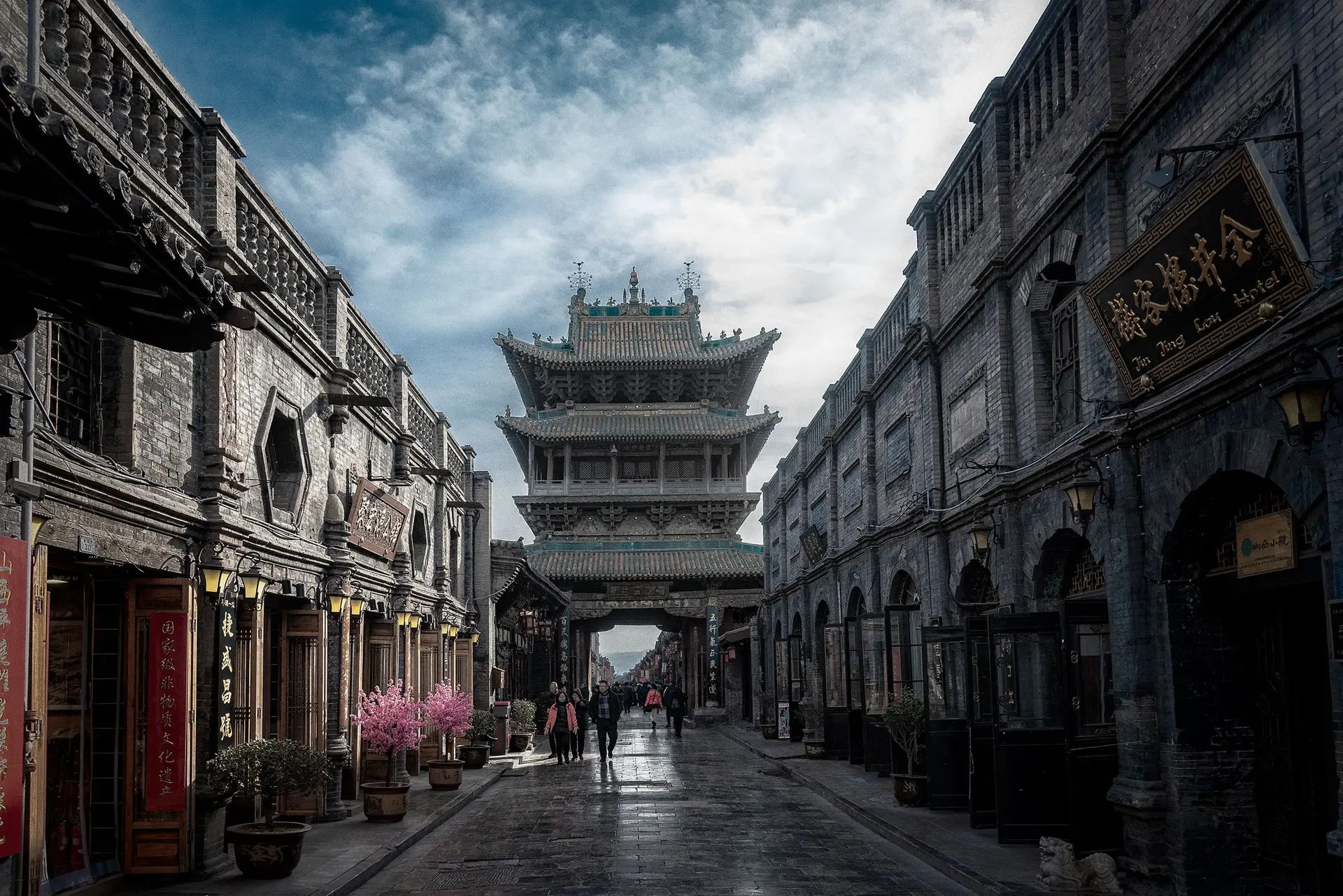
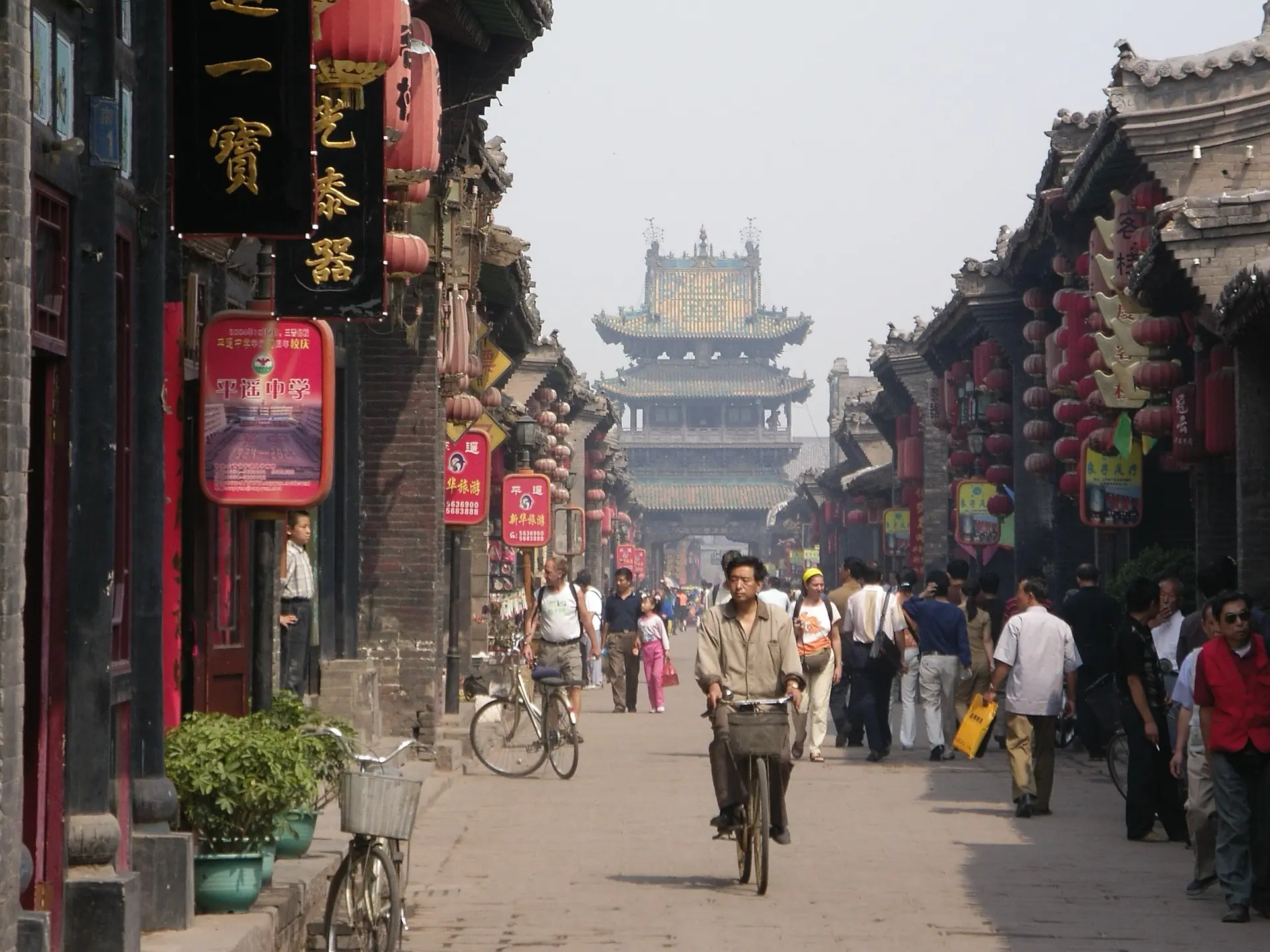
Its walls, streets, shops, residences and traditional courtyards form a remarkably complete historic urban landscape.
The value of Pingyao is not simply that its buildings are beautiful. You can understand an entire historic city system: banks, merchant houses, government offices, temples and city walls all existed within the same urban space.
What Makes It Special
Pingyao's greatest strength is that the historic city survives as a whole. Instead of seeing one isolated historic building, you can walk through an entire traditional urban environment.
It also provides an introduction to the Shanxi merchants, whose financial and commercial networks connected Pingyao with other parts of China.
Top Things to See
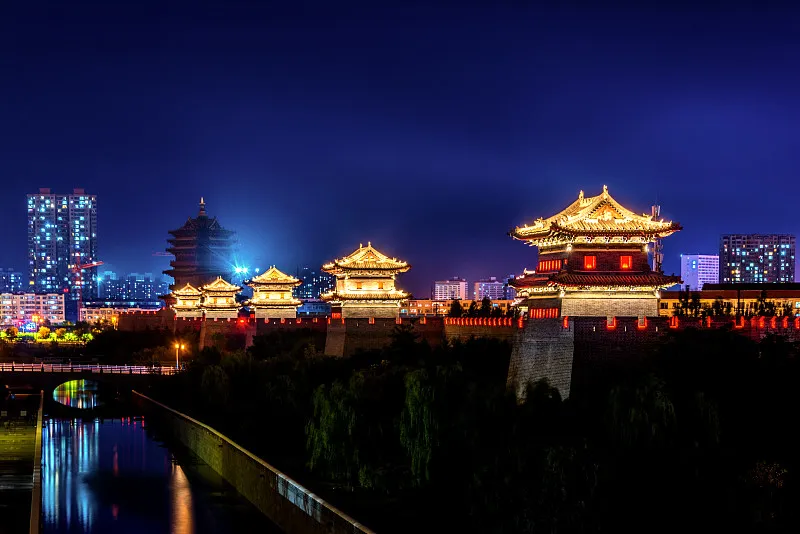
1. Pingyao City Wall
Walk along the city wall to understand the structure and scale of the historic city.
2. Rishengchang Exchange House
A useful introduction to early Chinese banking and the commercial networks of Shanxi merchants.
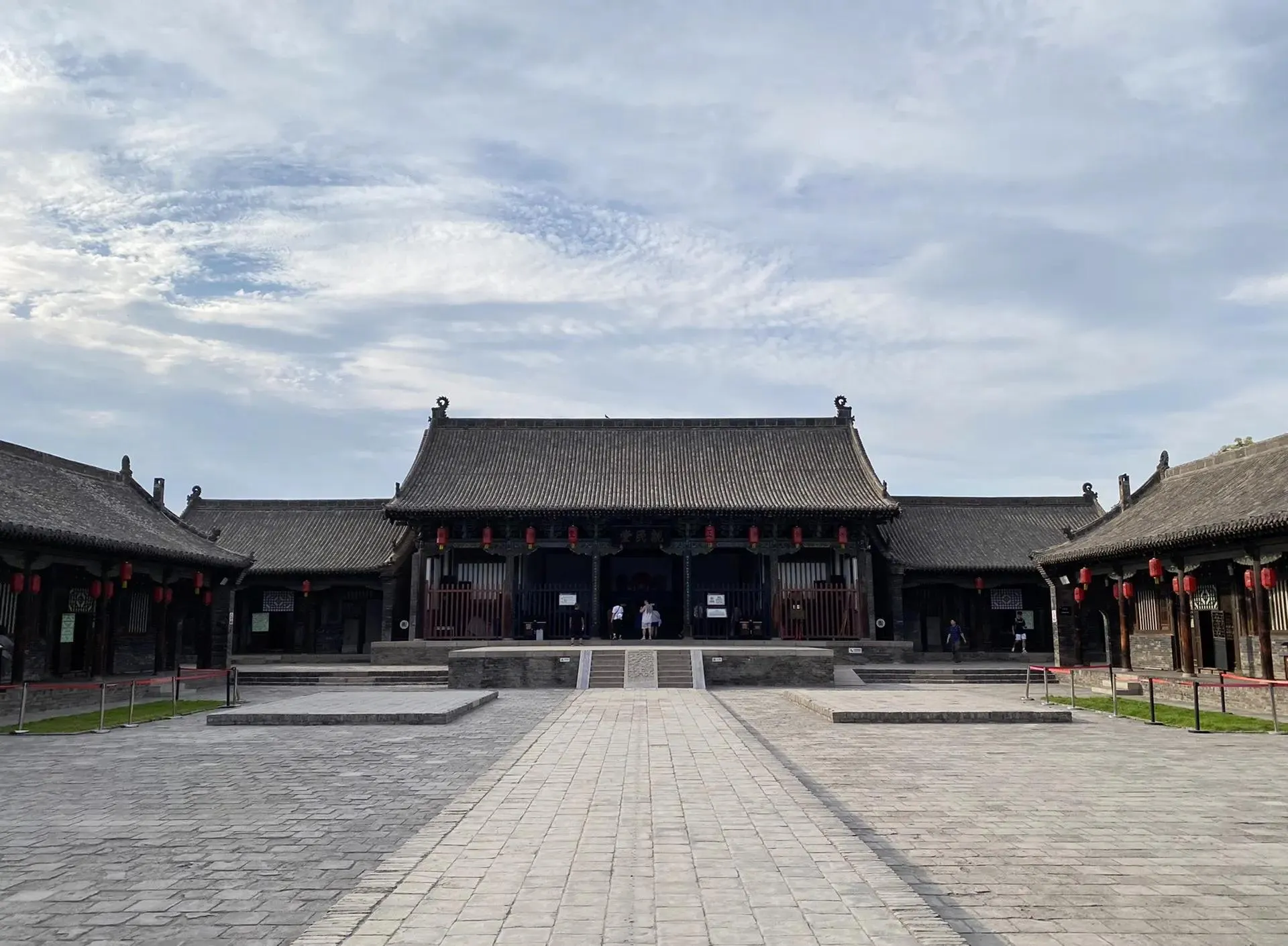
3. Pingyao County Government Office
Offers a glimpse into how local government functioned in traditional China.
4. Historic streets
The streets themselves are part of the attraction. Don't simply move from one ticketed site to another.
What It Feels Like
Pingyao can be busy during the daytime, but the atmosphere changes considerably in the early morning and evening.
Staying inside the old city allows you to walk around after the main sightseeing crowds have left.
Reality Check
- Pingyao is a well‑established tourist destination.
- It can become very crowded during Chinese holidays.
- Vehicles are restricted inside much of the historic area.
- Large luggage can be inconvenient if your hotel is inside the old town.
- Some streets are highly commercialised.
- Visit early in the morning or later in the evening if you want a quieter atmosphere.
Eat This
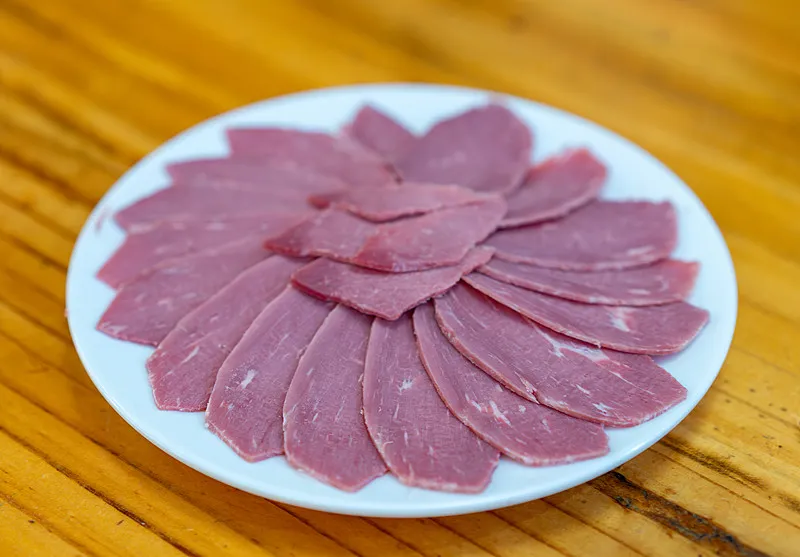
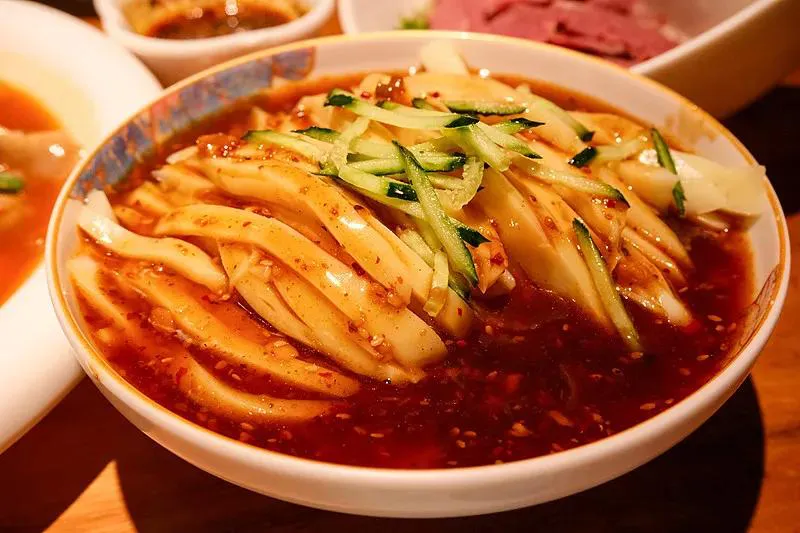
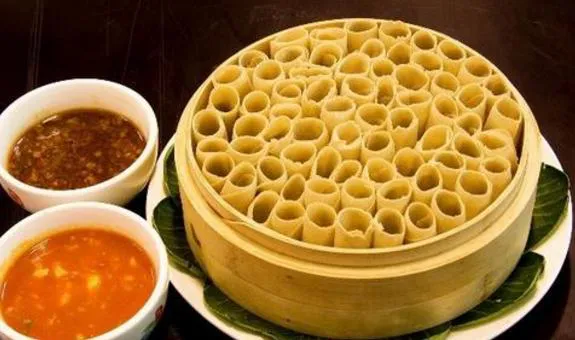
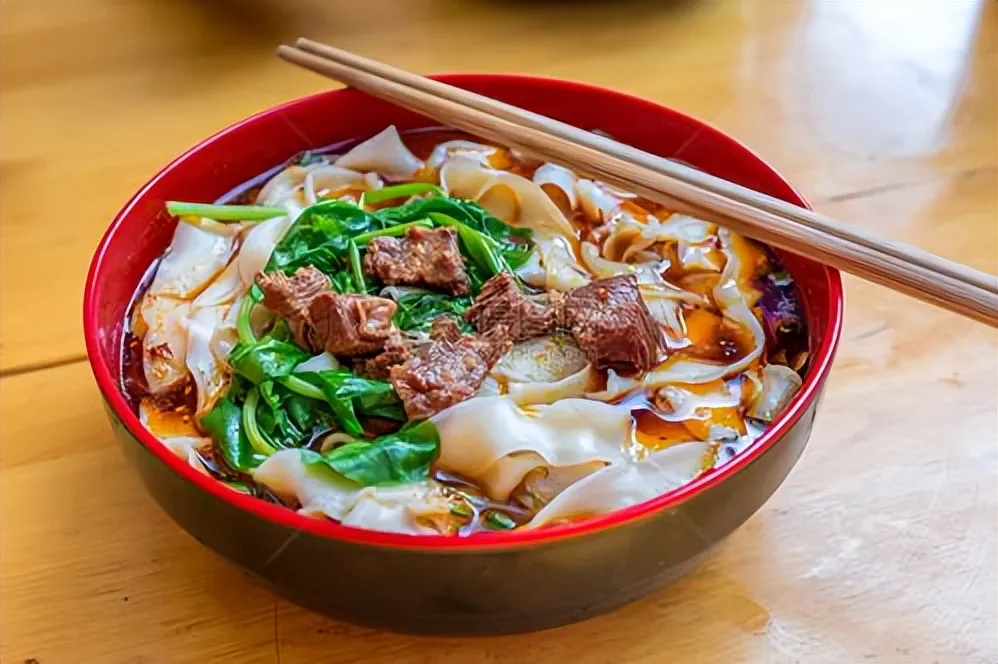
Pingyao beef — the city's best‑known local food. Kaolao lao — a traditional Shanxi noodle dish made from oat flour, shaped into small rolls. Knife‑cut noodles — thick, chewy noodles made by shaving dough directly into boiling water.
Getting There
Pingyao is connected by high‑speed rail and can be reached from cities such as Beijing, Xi'an and Taiyuan.
From the railway station, continue to the historic town by local transport.
How Long to Stay
One to two days.
Who Is It For
Best for: First‑time visitors interested in historic China, architecture, photography and traditional urban life. Less suitable for: Travellers mainly looking for nature, modern cities or completely undeveloped destinations.
Combine It With
Beijing → Datong → Pingyao → Xi'an A strong northern China history route is Beijing → Datong → Pingyao → Xi'an. Datong introduces Buddhist art and northern architecture, while Pingyao focuses on the commercial city of the Ming and Qing periods.
---
Gallery