Why Go
If you want to see traditional rural China rather than another major Chinese city, Yixian is a very good place to start.
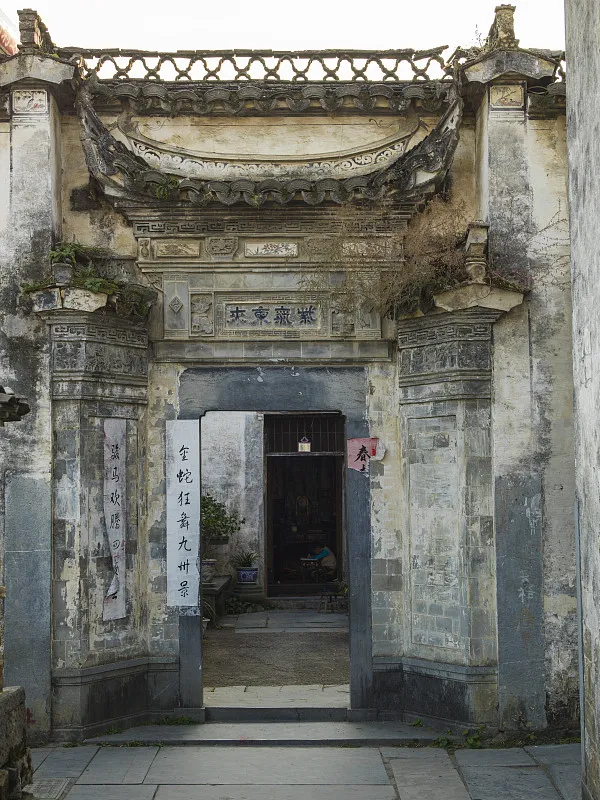
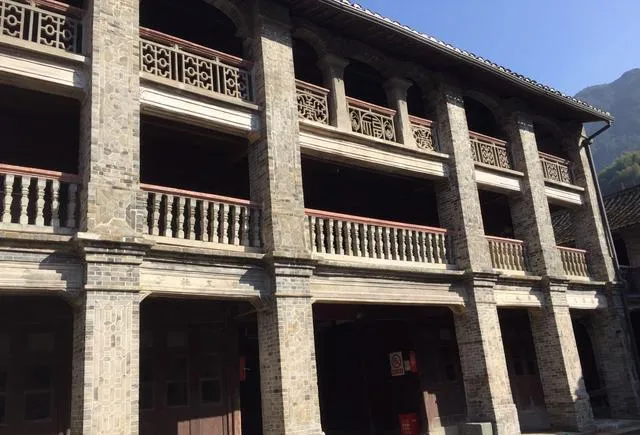
The main attraction is its collection of historic Huizhou villages. Xidi, Hongcun and the surrounding villages preserve large numbers of traditional houses, ancestral halls, archways and lanes dating mainly from the Ming and Qing periods. Xidi alone still has more than 300 historic residential buildings.
But Yixian is about more than old houses.
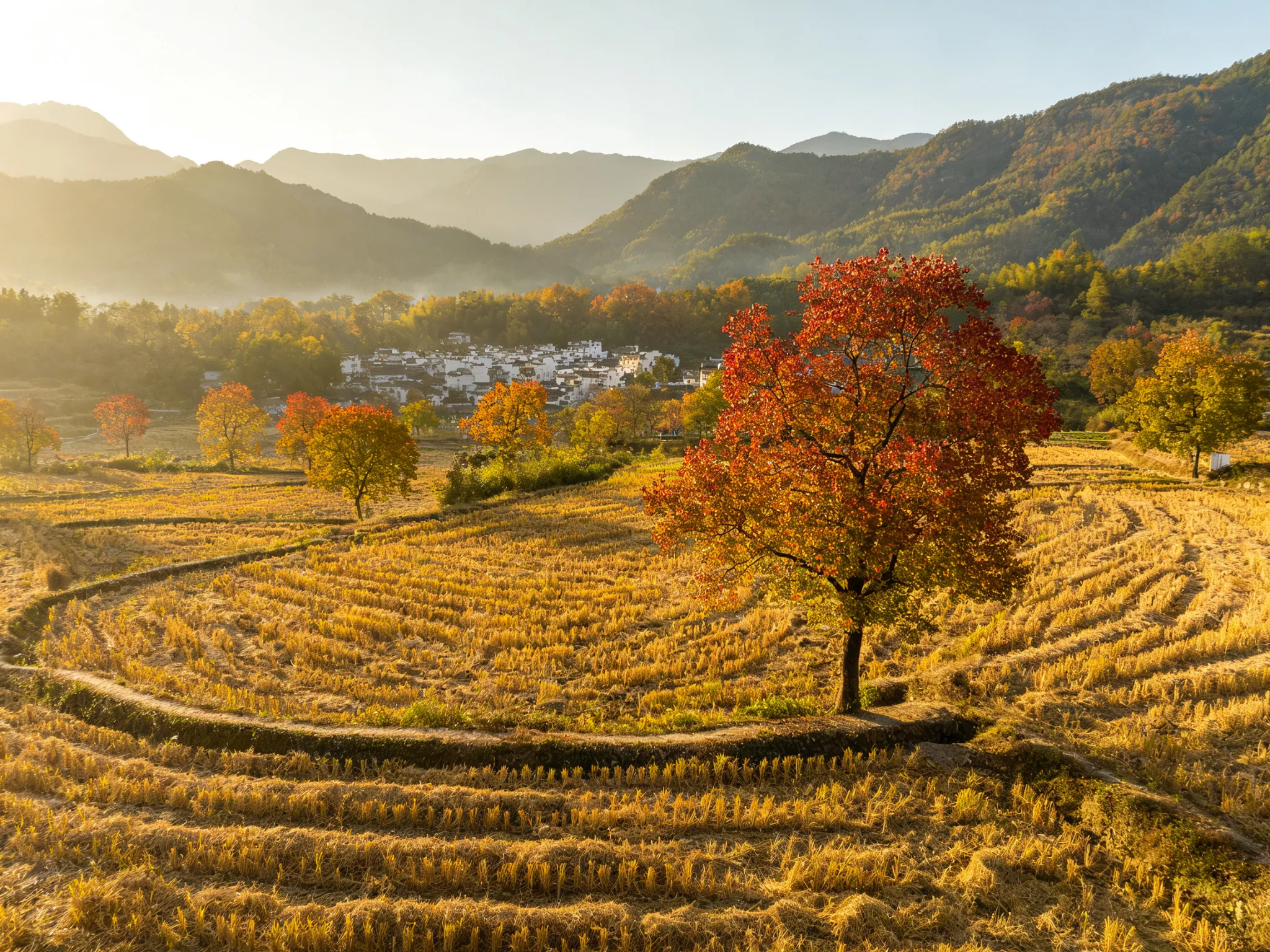
Villages, mountains, farmland, guesthouses and everyday life come together to create a complete rural landscape.
If you have already visited modern Chinese cities such as Shanghai or Hangzhou, Yixian offers a very different side of the country.
What Makes It Special
What makes Yixian special is not one village, but the entire Huizhou rural landscape. Merchant wealth, family clans, ancestral halls, residential architecture, stone archways and waterways all shaped these villages.
For international visitors, it offers an accessible way to understand traditional Chinese rural society: how merchants brought wealth back to their hometowns, how extended families organized their communities, and how architecture was adapted to the landscape.
Today, many villages also combine historic buildings with guesthouses, cafés, tea and craft experiences.
Top Things to See
1. Hongcun
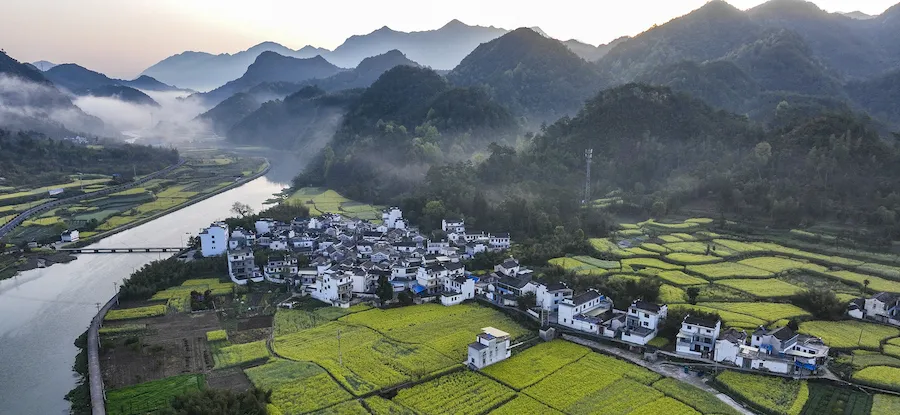
Hongcun is famous for its carefully designed water system. South Lake, Moon Pond and the village waterways connect the houses and landscape, making it one of the clearest examples of traditional Huizhou village planning.
2. Xidi
If Hongcun is mainly about water and landscape, Xidi is particularly rewarding for architecture. Look closely at its archways, ancestral halls, residences and the detailed brick, wood and stone carvings.
3. Tachuan and surrounding villages
Particularly interesting in autumn, when the village landscape combines traditional houses with mountains, farmland and changing foliage.
What It Feels Like
Yixian rewards a slower pace.
The villages are generally much quieter in the early morning and evening. Staying overnight makes it easier to experience the atmosphere than visiting Hongcun and Xidi as a rushed day trip.
However, Hongcun and Xidi are established tourist destinations, and visitor numbers can rise sharply during Chinese public holidays. The 2024 National Day holiday, for example, brought substantial crowds to both villages.
Reality Check
- Hongcun and Xidi are established tourist destinations, not completely undiscovered villages.
- They can be crowded during Chinese public holidays.
- Some village lanes are narrow, so large luggage can be inconvenient.
- Staying overnight usually gives you a better experience than a rushed day trip.
- Drone flights are restricted over the Xidi‑Hongcun World Heritage area. Do not fly without the required permission.
- English is easier to manage in major tourist areas, but remains limited in small shops and local villages.
Eat This
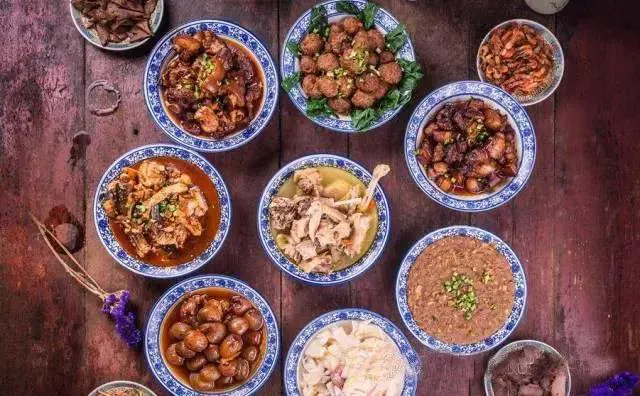
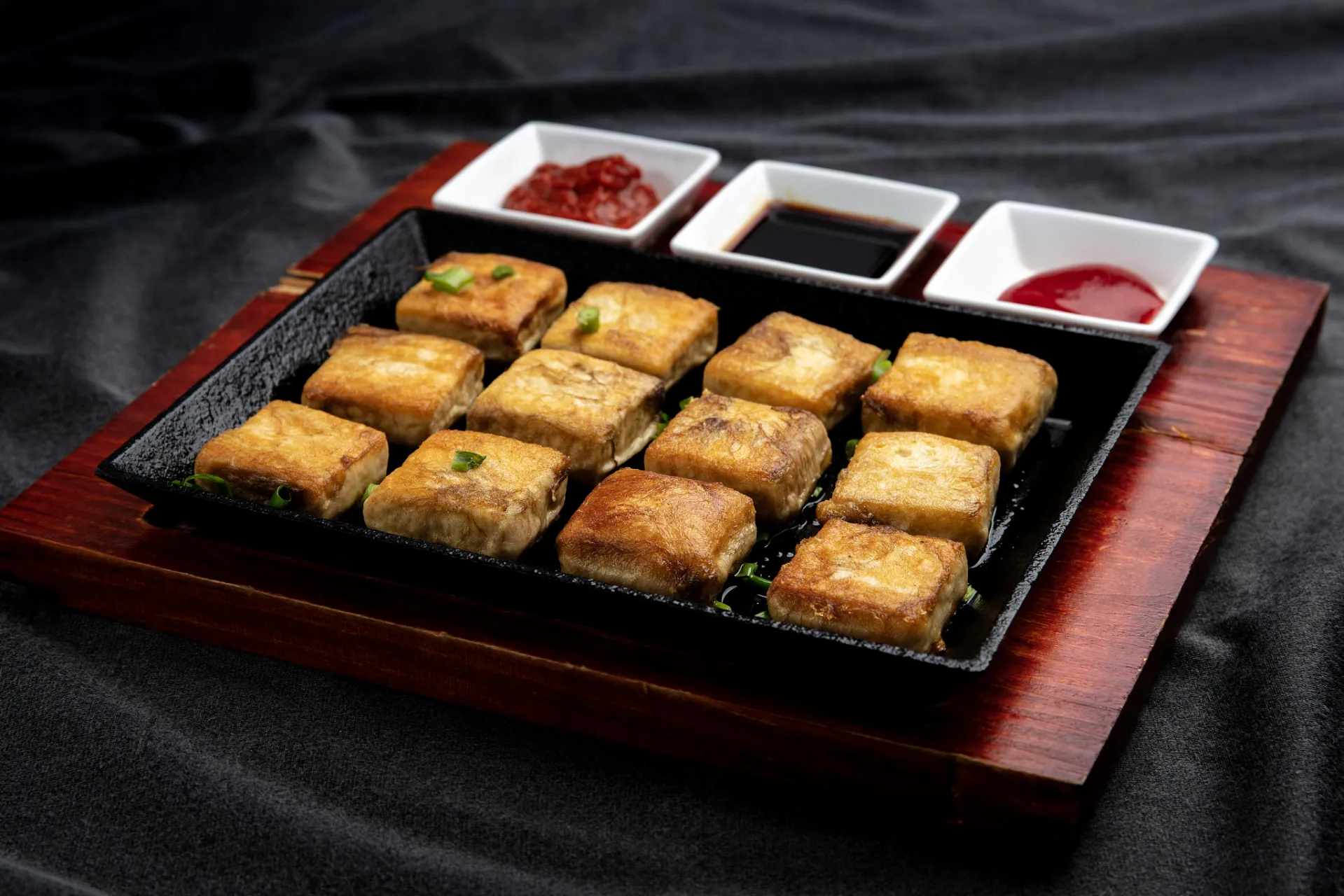

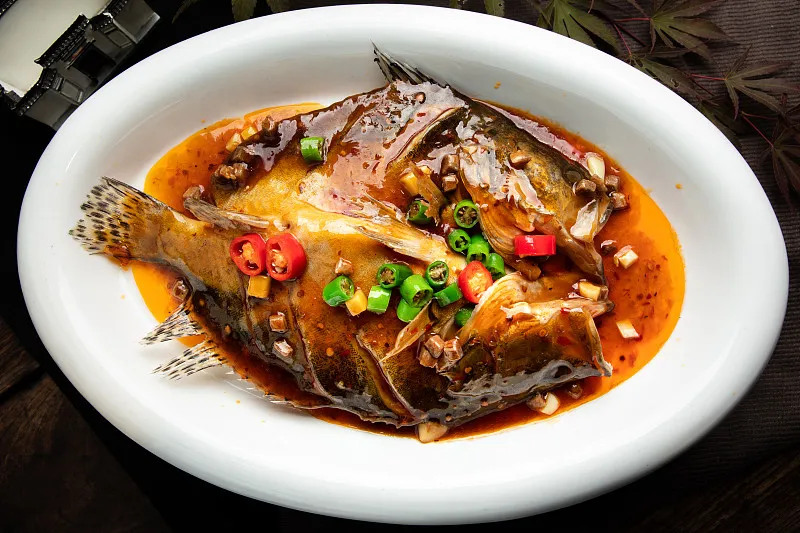
Stinky mandarin fish — one of Huizhou's signature dishes. The fish is fermented before cooking, giving it a distinctive aroma and a deep savoury flavour. Fermented tofu — tofu develops a white fermented coating before being fried or grilled. It is worth trying if you enjoy regional Chinese flavours. Huizhou sesame pastry — a crisp pastry with a savoury filling, often enjoyed as a snack.
Getting There
Yixian is easiest to reach via Huangshan.
Travel to Huangshan first, then continue to Yixian and its villages. Local tourist bus services connect major destinations such as Hongcun and Xidi.
How Long to Stay
Two days is ideal.
One day is enough for Hongcun and Xidi, but allow two to three days if you want to explore smaller villages such as Tachuan, Nanping or Bishan.
Who Is It For
Best for: Architecture lovers, photographers, rural travellers and people who enjoy guesthouses and slow travel. Less suitable for: Travellers looking for nightlife, large entertainment complexes or completely tourist‑free destinations.
Combine It With
Huangshan → Yixian Huangshan + Yixian is the most natural combination. Huangshan provides China's iconic mountain scenery, while Yixian introduces traditional Huizhou villages.
---
Gallery