Why Go
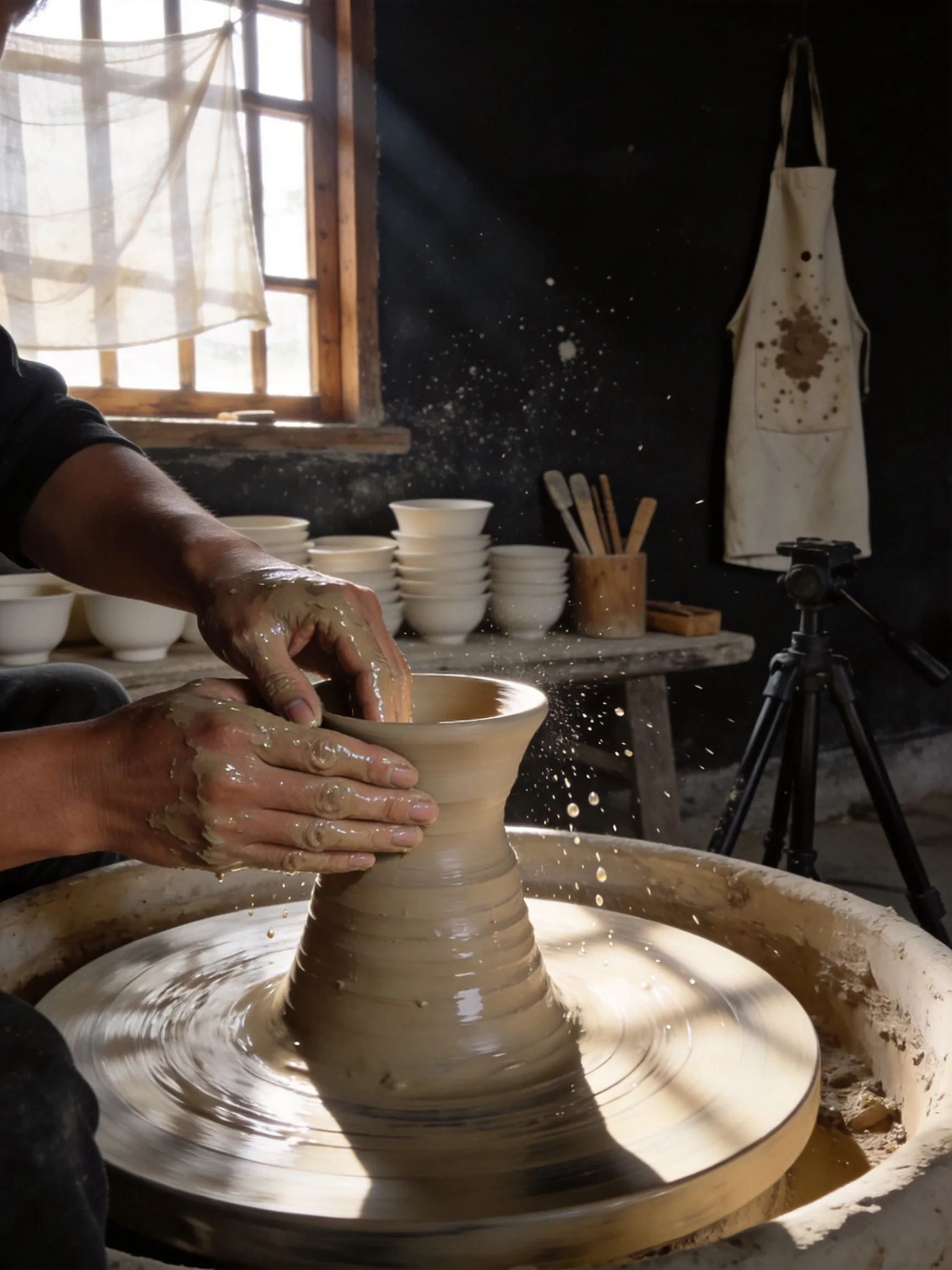
Jingdezhen has one very clear reason to visit: This is not simply a city where you look at ceramics. It is a city where ceramics are still made. For centuries, porcelain has shaped Jingdezhen's identity. Today you can see historic kilns, traditional workshops and museums alongside young artists, designers and contemporary ceramic studios.
The Ancient Kiln Folk Customs Museum recreates and preserves kiln traditions from different periods of Jingdezhen's ceramic history.
What Makes It Special
Jingdezhen combines traditional craftsmanship with contemporary creative culture. You can spend the morning learning about traditional porcelain production and the afternoon exploring a former ceramic factory transformed into a creative district.
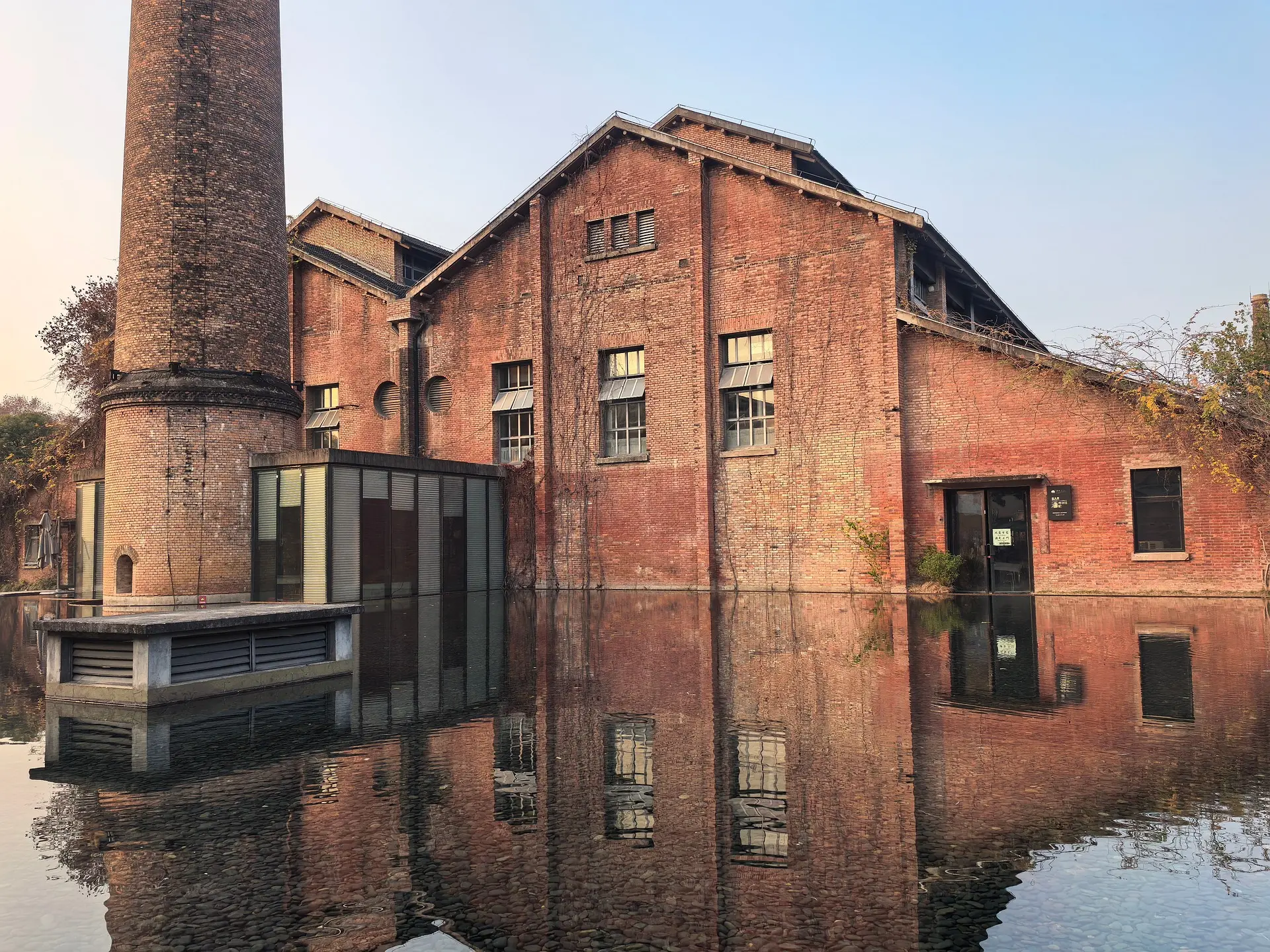
Taoxichuan was developed from the former Universe Porcelain Factory and retains industrial features such as factory buildings, chimneys and old kilns.
Top Things to See
1. Ancient Kiln Folk Customs Museum
One of the best places to understand how Jingdezhen became China's historic porcelain centre.
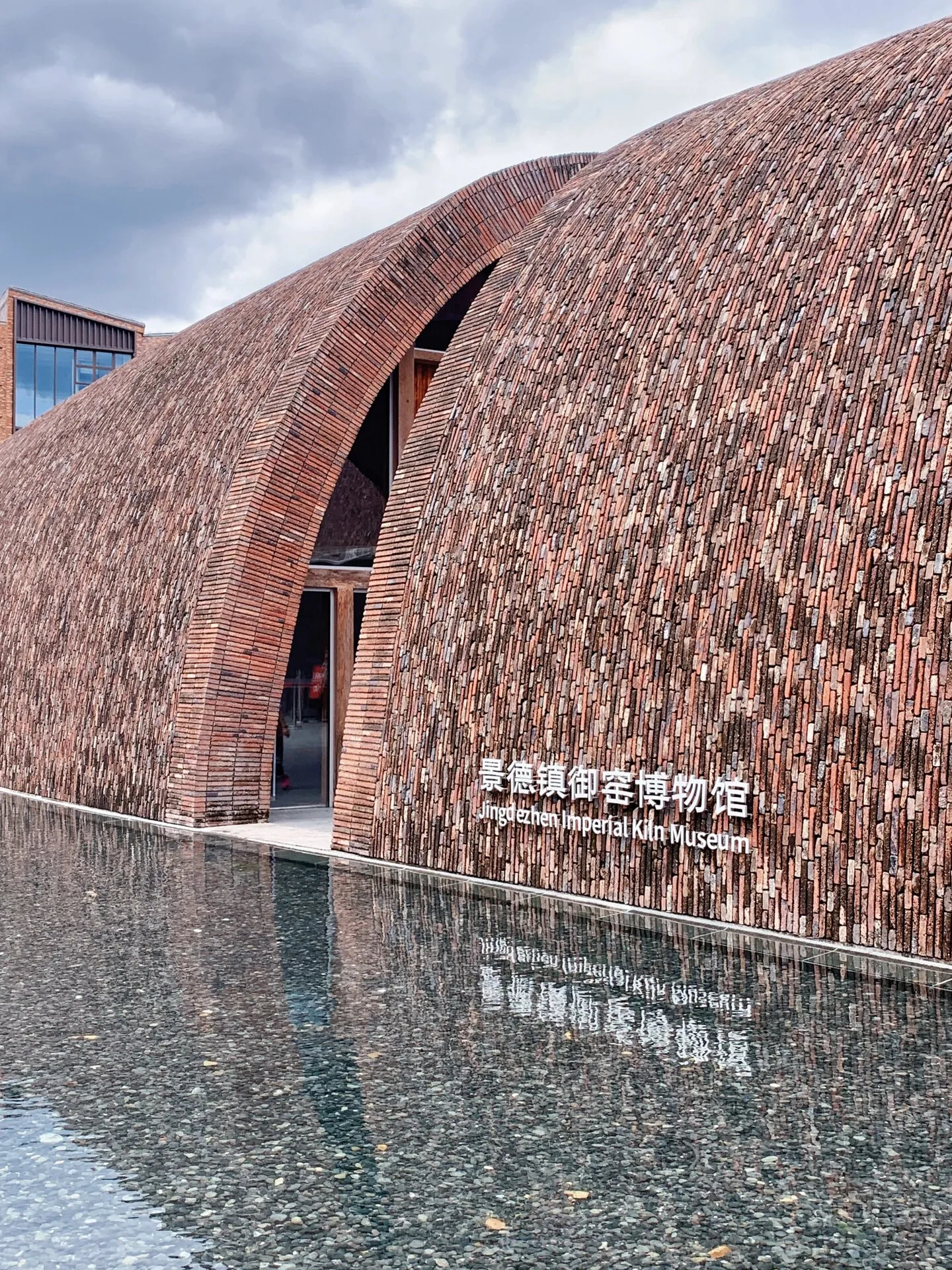
2. Imperial Kiln Museum
Focuses on imperial porcelain production during the Ming and Qing periods.
3. Taoxichuan
Shows contemporary Jingdezhen through converted industrial spaces, design, art and creative culture.
4. Ceramic studios
If possible, take part in a pottery or ceramic‑making workshop rather than only looking at finished objects.
What It Feels Like
What makes Jingdezhen different from a typical Chinese tourist city is how often ceramics appear in everyday life.
You may encounter ceramics in workshops, cafés, shops, galleries and ordinary streets.
It rewards curious travellers who enjoy exploring rather than simply following a fixed sightseeing route.
Reality Check
- Jingdezhen is an established tourist destination.
- There are many places selling ceramics, so quality and prices can vary considerably.
- Museums and studios are spread around the city.
- Allow at least two days if you are genuinely interested in ceramics.
- English is easier to find in major museums and tourist areas than in small independent studios.
Eat This
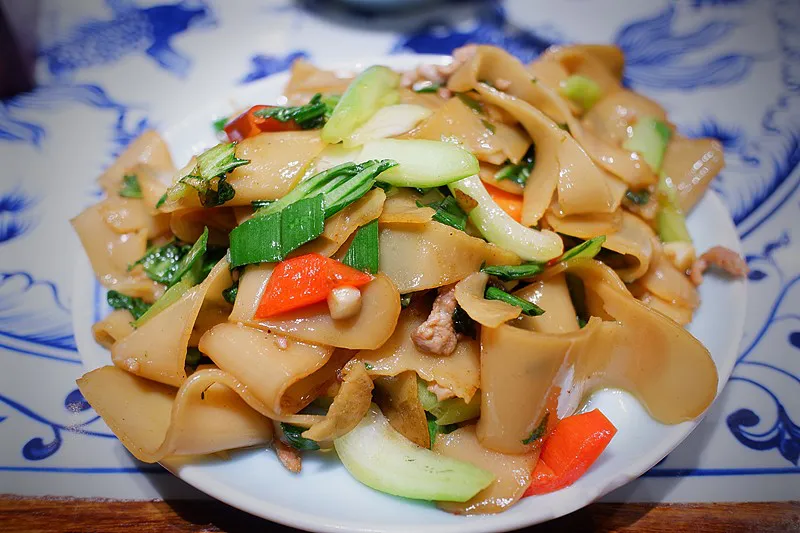
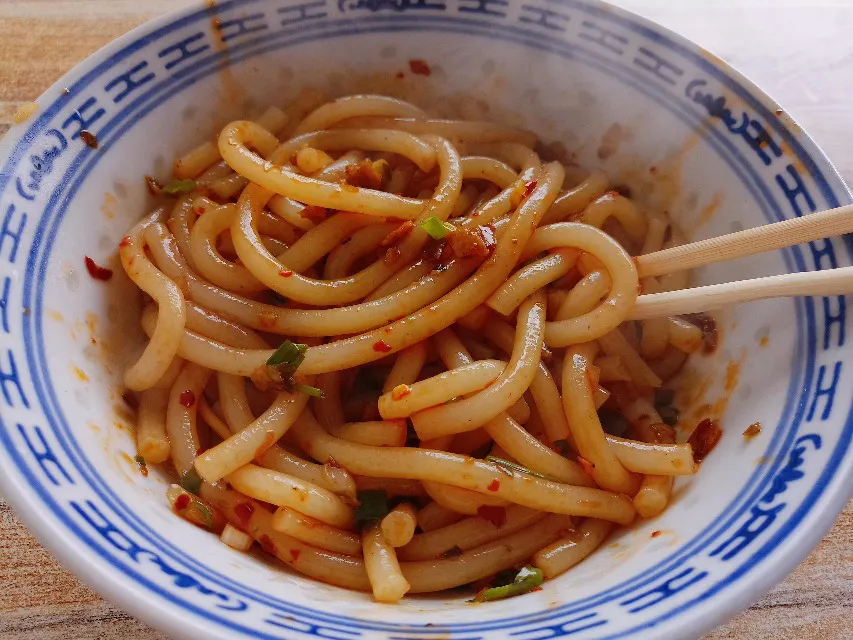
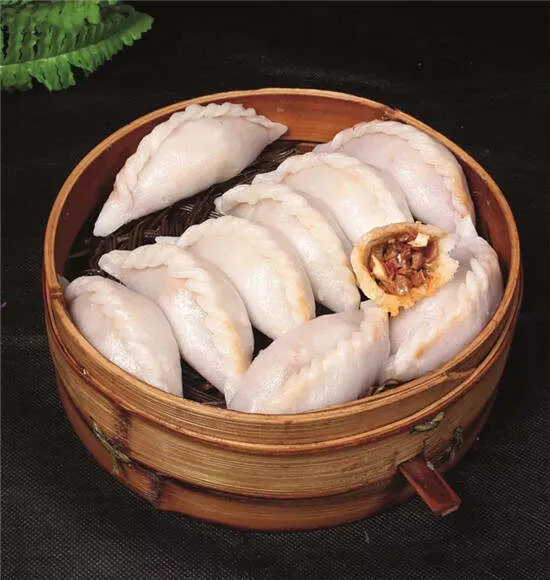
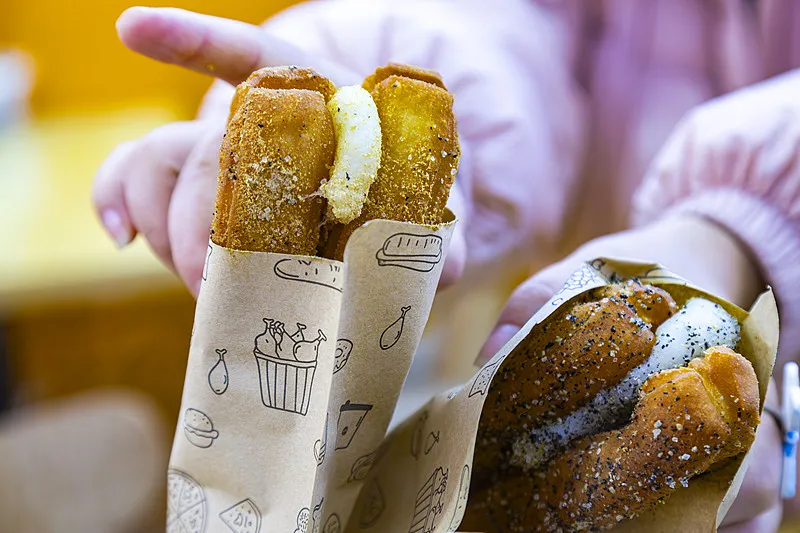
Jingdezhen is better known for ceramics than food, but its local snacks are worth exploring. Cold rice noodles — rice noodles served with spicy sauce and various toppings. Jiaozi ba — a local snack made with a rice‑flour wrapper and savoury filling. Alkaline rice cakes — a traditional rice‑based food with a texture quite different from wheat noodles and dumplings.
Getting There
Jingdezhen has both high‑speed rail connections and an airport, making it accessible from cities such as Nanchang, Hangzhou and Shanghai.
How Long to Stay
Two days.
Who Is It For
Best for: Art lovers, designers, ceramic enthusiasts, craft lovers and independent travellers. Less suitable for: Travellers mainly interested in mountains, beaches or traditional architecture.
Combine It With
Jingdezhen → Wuyuan Jingdezhen + Wuyuan is a particularly good combination: ceramics and creative culture in Jingdezhen, followed by traditional villages and rural landscapes in Wuyuan.
---
Gallery