Why Go
Dunhuang is one of the best places to understand China's historic connections with the wider world. Once an important Silk Road crossroads, it brought together Buddhism, desert landscapes and cultural exchange from across Asia.
What Makes It Special
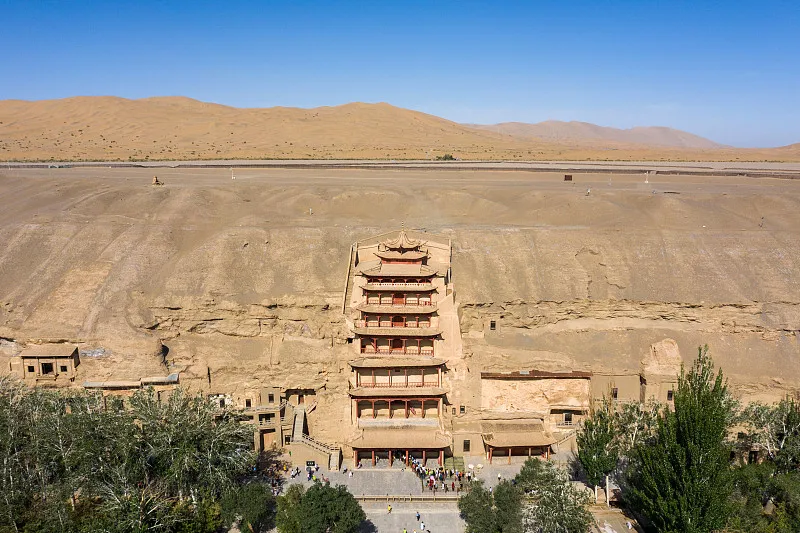
Dunhuang combines three very different experiences: desert landscapes, Silk Road history and Buddhist art. The Mogao Caves are not simply a tourist attraction but a vast record of religious and artistic history spanning many centuries.
Top Things to See
1. Mogao Caves
The Mogao Caves contain an extraordinary collection of murals, sculptures and Buddhist art. Look beyond the largest statues and pay attention to clothing, architecture, musical instruments and figures in the murals, which reveal the cultural exchanges of the ancient Silk Road.
2. Mingsha Mountain & Crescent Lake
The contrast between enormous sand dunes and a crescent‑shaped lake makes this one of Dunhuang's most recognizable landscapes. Late afternoon is a good time to watch the dunes change color and shadow as the sun sets.
3. Yangguan Pass
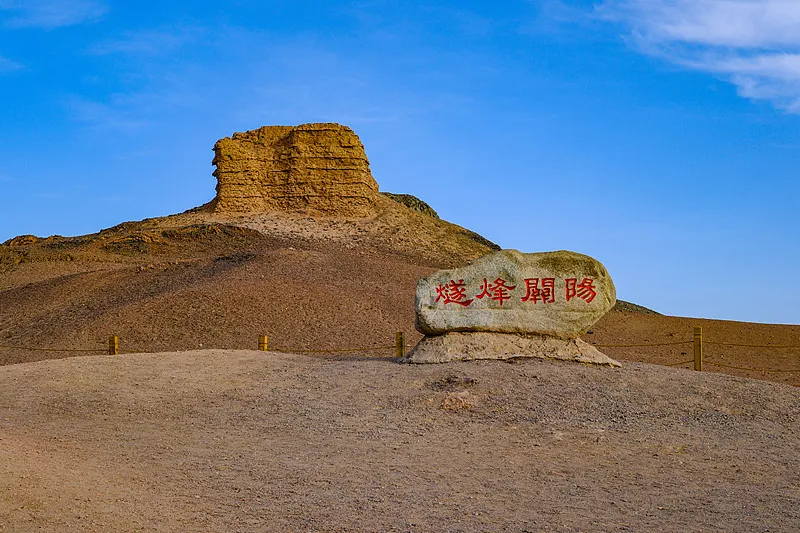
Yangguan was an important frontier pass on the ancient route into Central Asia. The physical remains are limited today, but its importance in Silk Road history and classical Chinese poetry makes the site meaningful.
4. Yumen Pass
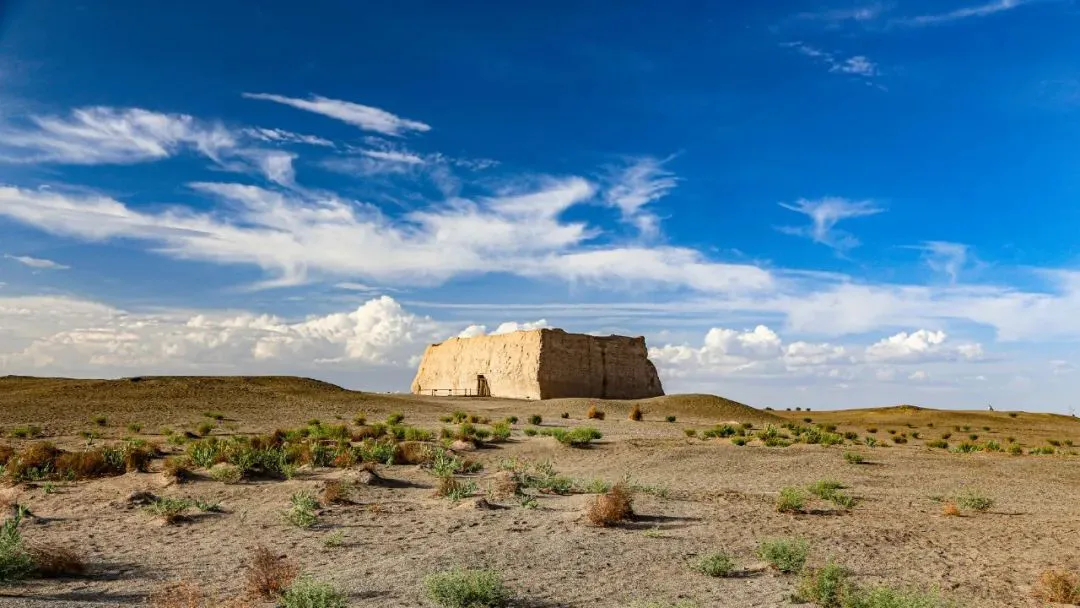
The open desert around Yumen Pass makes it easy to imagine the harsh conditions faced by travelers on the ancient routes. It works best as part of a wider Silk Road day including Yangguan.
What It Feels Like
Dunhuang is memorable because of the dramatic change in atmosphere: you can spend the morning inside dark caves decorated more than a thousand years ago and the evening watching the sun set over enormous sand dunes.
Reality Check
- Dunhuang is remote and its major sights are spread out. The Mogao Caves in particular require advance planning, so check the official visitor information before traveling.
Eat This
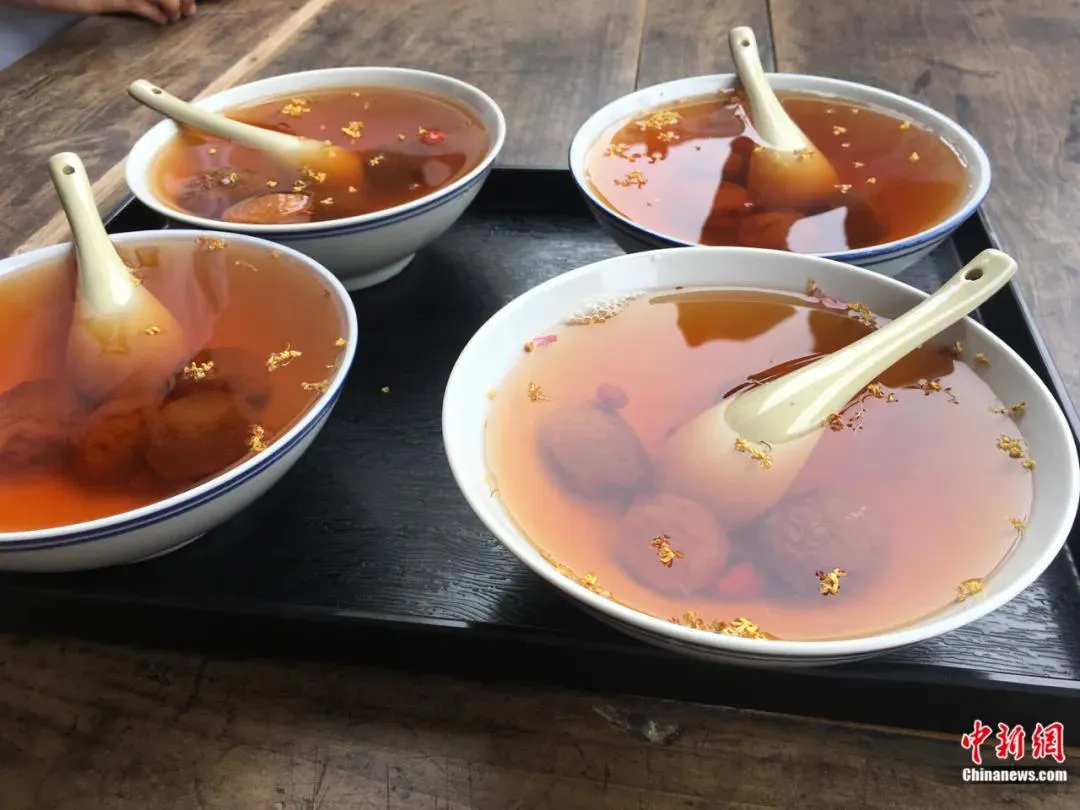
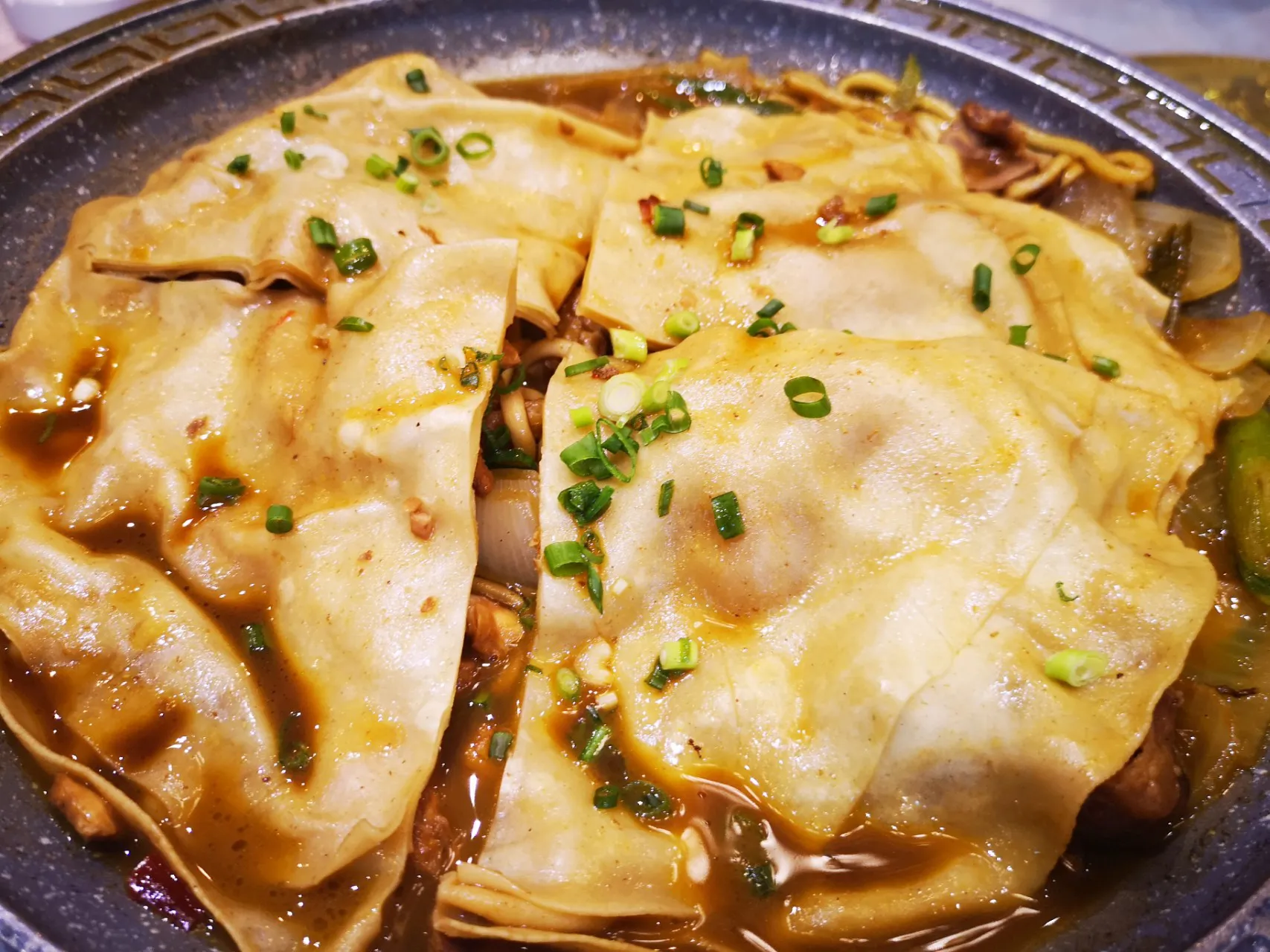
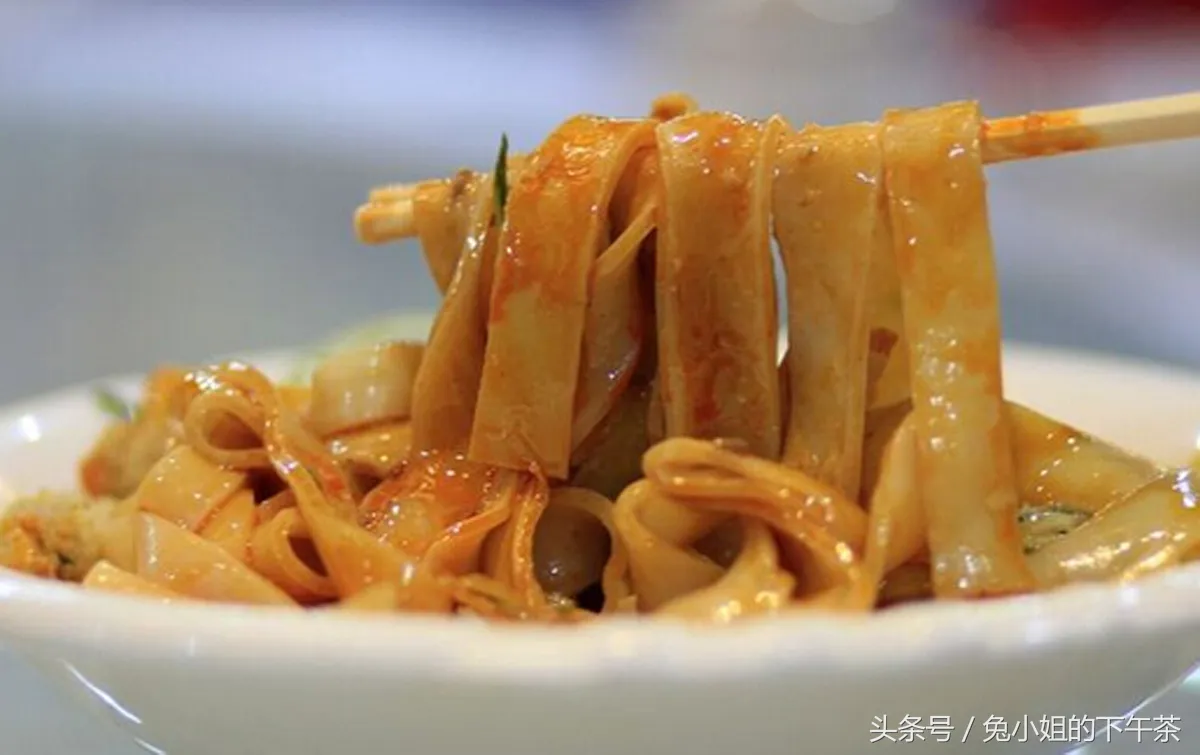
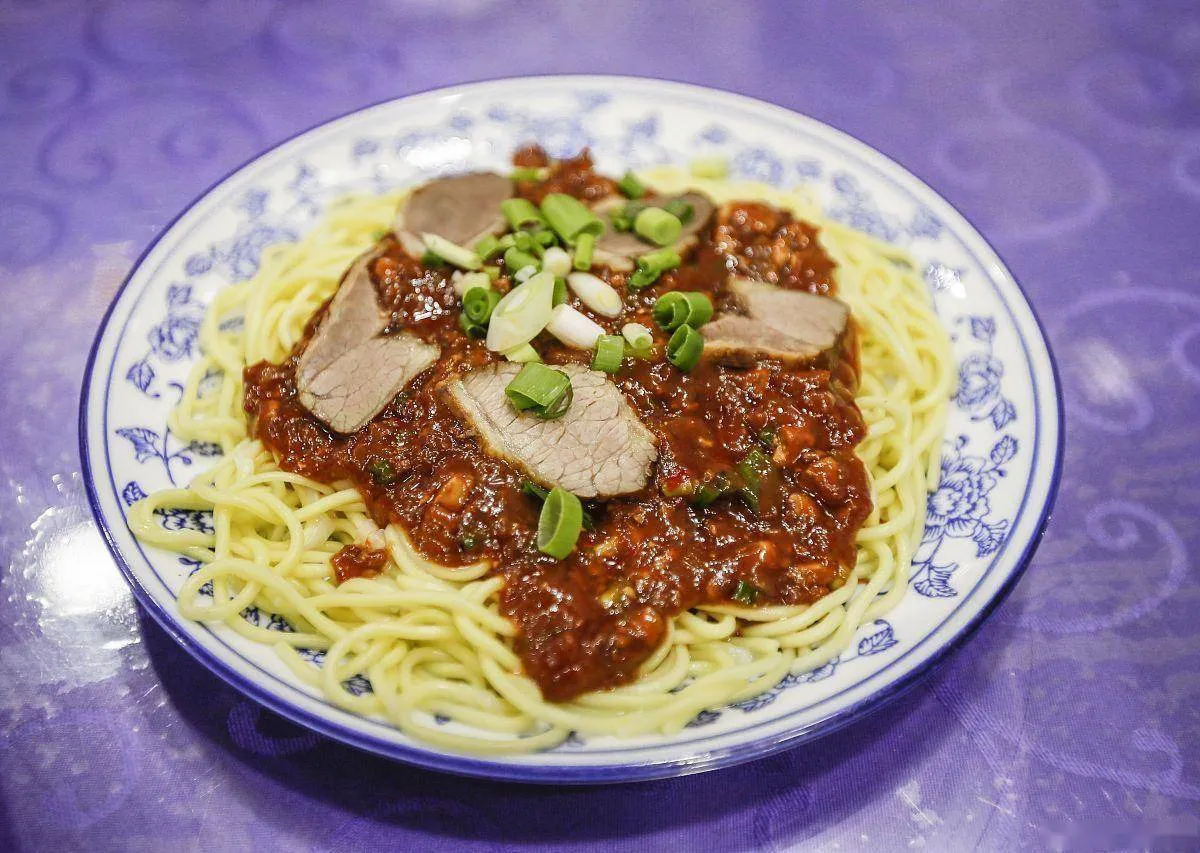
Donkey Meat Noodles — Yellow wheat noodles are cooked and topped with slices of braised donkey meat and a savory sauce or broth. The noodles are chewy and the meat is rich but relatively lean. Apricot Peel Drink — Dried or fresh apricot skins are simmered in water and sweetened with sugar before being chilled. The drink is lightly tart and sweet, making it especially refreshing in Dunhuang's dry climate.
Getting There
Dunhuang has both air and rail connections and can be reached from cities such as Lanzhou, Xi'an and Urumqi. It also works naturally as part of a longer Hexi Corridor journey.
How Long to Stay
Stay 2–3 days, or around 4 days if you want to explore the surrounding caves and ancient passes.
Who Is It For
Especially suitable for travelers interested in history, archaeology, art, the Silk Road, deserts and photography.
Combine It With
Lanzhou → Zhangye → Jiayuguan → Dunhuang is one of the clearest ways to understand the history of the Hexi Corridor.
Gallery